

Why Fake Profiles Appear on Random Video Chat Platforms
Random video chat services are appealing precisely because they need little to no registration. That low barrier to entry is a strength for genuine users and, unfortunately, an open door for bad actors. On platforms where anonymity is the whole point, running a bot or a deceptive account carries very little risk for whoever is behind it.
Chatspin allows users to start chatting immediately without creating an account. That design choice prioritises speed and convenience, but it also means the platform cannot verify who is on the other side of the camera before the connection is made. According to industry data, romance scams cost UK consumers tens of millions of pounds annually, and a significant share of those scams begin on chat or video platforms where profiles are either absent or unverified.
Understanding why fake profiles exist is the first step toward protecting yourself. Motivation ranges from harvesting personal data and pushing spam links to running longer emotional manipulation plays that end in financial requests. The good news is that bots and fake accounts follow predictable patterns once you know what to look for.
The Most Reliable Red Flags to Watch For
Experience reviewing dozens of conversation screenshots has sharpened my eye for certain patterns. Last January I spent three evenings going through more than 40 chat records sent in by readers who felt something was off. The single clearest signal was how rarely the suspicious account asked a follow-up question. Real people are curious. They respond to what you say and want to know more. An account that only broadcasts, deflects, or loops back to a scripted point is almost certainly not a genuine person.
Beyond the conversational rhythm, watch for these specific behaviours. Scripted openers that feel copy-pasted, an insistence on moving to WhatsApp or Telegram within the first few minutes, profile images that look professionally lit or suspiciously model-perfect, and any mention of financial hardship or a request for a gift card are all strong indicators of a fake or scam account. On video, a bot may show a pre-recorded loop rather than a live feed. Try waving or asking the person to perform a simple action. A genuine user will respond naturally; a looped video will not.
The urgency tactic is another consistent pattern. Fake accounts often create artificial pressure, claiming they can only chat for a few more minutes or that this is a once-only opportunity. Authentic connection does not require a countdown clock. If something feels rushed or manipulative, trust that instinct and move on.
How Chatspin's Safety Tools Can Help
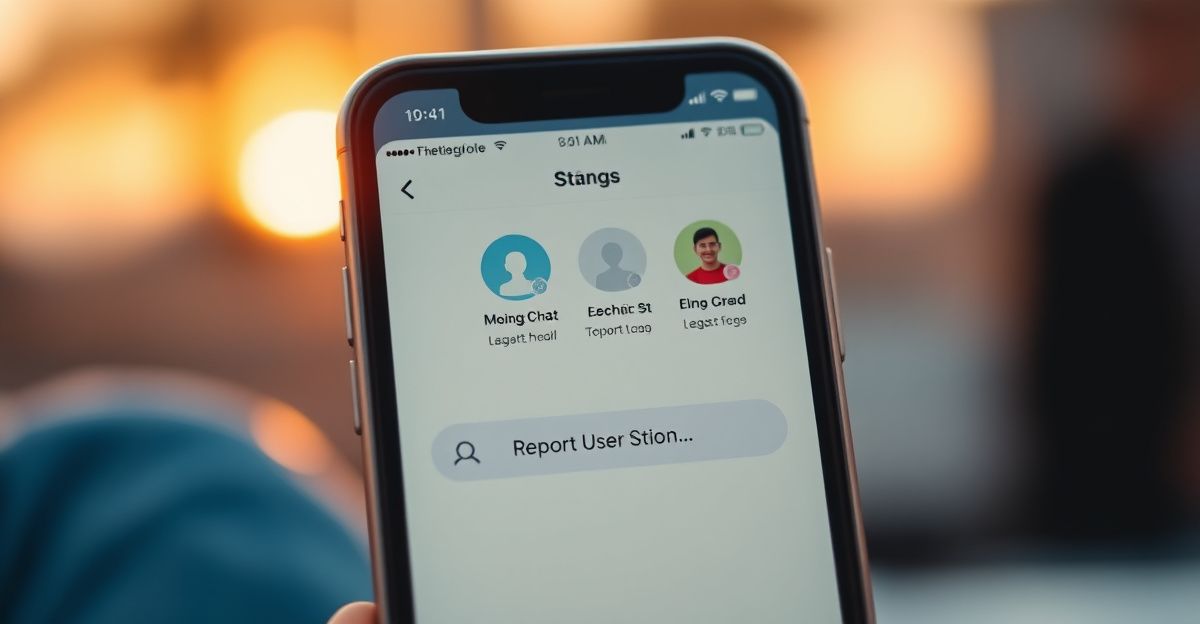
Chatspin has built-in moderation and reporting features that give users a direct way to flag inappropriate behaviour. When you encounter an account that sets off alarm bells, use the in-app report function immediately. This sends the interaction to the moderation team for review and helps protect other users from the same account.
The block feature is equally important. Blocking an account prevents any future contact from that user. Neither action requires you to stay in a conversation longer than you feel comfortable. You are always in control of when you end a chat. For a deeper look at how the platform handles user safety, the is-chatspin-safe guide covers the technical and community measures in detail.
Premium subscribers gain access to gender and location filters. While these filters are primarily useful for finding people who match your preferences, they also have an indirect safety benefit. Narrowing your match pool to a specific region means you are less likely to connect with bot farms that operate from certain international locations. If you have encountered problems before, it is worth reading about Chatspin complaints from other UK users to understand the most common issues and how they were resolved.
Practical Steps to Protect Your Mindset and Your Data
Your personal information is your most valuable asset in any online space. On a random video chat platform the rule is simple: keep identifying details off the table until trust has been built over multiple genuine conversations. This means no full name, no workplace, no home address, and absolutely no financial information. An authentic connection does not need your bank details to grow.
Approach each new chat with a confident but measured mindset. You are choosing who gets your time and energy. If a conversation feels off, skip to the next one without guilt. That is the platform working as intended. Practise asking open-ended questions and notice whether the other person engages with your answers. Genuine interest is the hallmark of a real user. A script cannot fake sustained curiosity.
It also helps to keep your camera view neutral. Avoid showing identifiable background details like street signs, distinctive artwork, or location-specific items that could reveal where you live. This is basic digital hygiene that applies across all video chat services, whether you are using Chatspin or exploring alternatives. If you want to understand the broader landscape of Chatspin scams that have been reported, that resource outlines the most common patterns and gives concrete advice on avoiding them.
What to Do if You Think You Have Already Engaged With a Fake Account
If you suspect a past interaction was with a bot or a scam account, there are clear steps to take. First, do not send any money, gift cards, or cryptocurrency regardless of the story you were told. Second, if you shared any personal information, assess what was disclosed and whether it could enable identity theft. Third, report the account through Chatspin's reporting tool and, if financial loss occurred, contact Action Fraud in the UK on 0300 123 2040 or via their website.
Changing your passwords on any accounts you mentioned during the conversation is a sensible precaution. If the interaction moved off Chatspin to another platform, report the account there as well. Platforms including Chatspin rely on user reports to improve their verification and moderation systems, so your report genuinely contributes to a safer environment for everyone.
Staying safe on random video chat platforms is less about fear and more about building the right habits. A confident, curious approach that keeps personal details private and uses the platform's safety tools puts you in the best possible position to enjoy genuine connections without unnecessary risk.
Comments
No comments yet.
Leave a comment
Your email will not be shown. Comments are reviewed before they appear.